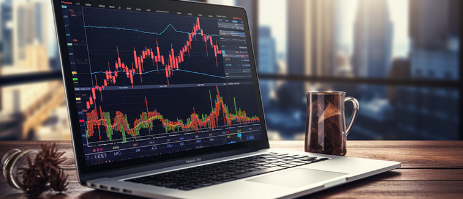
In today’s fast-evolving financial ecosystem, traders rely heavily on advanced analytics, real-time execution, and adaptive tools to maintain a competitive edge. The tradingsphere trading platform has emerged as a structured solution designed to streamline trading workflows and enhance decision-making efficiency. By integrating intelligent charting systems, market monitoring tools, and risk management features, it supports both short-term traders and long-term investors in navigating volatile market conditions effectively.
Market Overview and Statistical Snapshot
Global digital trading participation continues to rise, with increasing adoption across retail investors. Data-driven platforms now account for a significant portion of daily transaction analysis, reflecting a shift toward automation and precision. Trading ecosystems are increasingly prioritizing low-latency execution, diversified asset coverage, and integrated analytics dashboards. This evolution supports improved trade accuracy and portfolio balancing. Market sentiment tools and algorithmic signals are also gaining traction, enabling users to respond quickly to volatility. Overall, the trading environment is becoming more structured, transparent, and efficiency-driven, helping participants reduce emotional decision-making and enhance strategic consistency across multiple asset classes.
Top Trends in Modern Trading Platforms
One of the strongest developments in the industry is the rise of AI-driven analytics, allowing traders to interpret market movements with greater accuracy. Mobile-first trading systems are also expanding rapidly, enabling users to manage portfolios on the go with seamless accessibility. Risk automation tools are becoming essential, helping minimize losses through pre-set rules and intelligent alerts. Multi-asset integration is another key trend, as traders increasingly diversify across forex, commodities, and digital instruments within a single interface. Real-time sentiment tracking is also shaping decisions by analyzing global news flow and investor behavior patterns. These trends collectively indicate a shift toward smarter, faster, and more adaptive trading environments.
FAQ Insights for Better Understanding
What makes modern trading platforms effective? They combine speed, data analytics, and automation to improve decision-making accuracy while reducing manual effort in execution processes.
How does technology influence trading performance? Advanced systems enhance efficiency by providing real-time insights, predictive analytics, and structured risk management tools that help traders respond quickly to market changes.
Why is data integration important in trading? Integrated data allows users to analyze multiple market factors simultaneously, improving strategy development and reducing uncertainty in volatile conditions.
What is the future direction of trading systems? The future is focused on deeper automation, improved personalization, and stronger AI integration, creating highly responsive and intelligent trading environments.