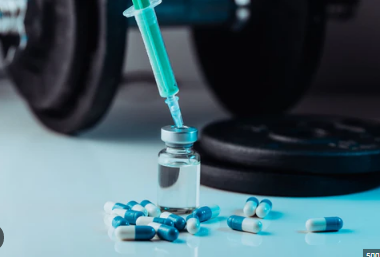
The performance and recovery market has evolved rapidly, with peptide-based therapies gaining increased attention among competitive and recreational athletes. One compound frequently discussed in sports science circles is tesamorelin, particularly in conversations around body composition and muscle preservation. When searching for tesamorelin for sale, athletes are typically exploring its potential role in reducing stubborn fat while maintaining lean muscle mass. As interest grows, it becomes essential to understand how this peptide works, what research suggests, and why it has become part of modern performance strategies.
What Is Tesamorelin and How Does It Work?
Tesamorelin is a synthetic growth hormone–releasing hormone (GHRH) analog designed to stimulate the body’s natural production of growth hormone. Clinical data shows that increased growth hormone levels may contribute to reductions in visceral adipose tissue. Studies have reported measurable decreases in abdominal fat in controlled environments, which is one reason athletes monitor its potential applications. Unlike direct hormone supplementation, tesamorelin works by encouraging endogenous production, which is considered a more regulated physiological approach.
Why Are Athletes Interested in Fat Loss Support?
According to sports performance statistics, excess visceral fat can negatively affect endurance, metabolic efficiency, and recovery speed. Research in exercise physiology indicates that improved body composition correlates with enhanced power-to-weight ratios and faster sprint metrics. Athletes seeking marginal gains often focus on reducing central fat accumulation while preserving muscle tissue, particularly during cutting phases or off-season conditioning.
What Do Recovery Statistics Suggest?
Growth hormone plays a role in tissue repair and protein synthesis. Clinical research has shown that optimized hormonal balance may assist with post-training recovery and muscle repair. Some reports highlight improvements in insulin-like growth factor 1 (IGF-1) levels, which are associated with anabolic processes. While recovery depends on multiple variables—nutrition, sleep, training intensity—hormonal support mechanisms remain a key area of study in sports science.
Is Tesamorelin Widely Used in Athletics?
Usage varies depending on regulatory guidelines and professional league policies. Data from sports health surveys suggests a growing curiosity around peptide therapies within biohacking and performance communities. However, compliance with anti-doping standards is critical, and athletes must always evaluate rules set by governing bodies before considering any compound.
What Should Buyers Consider?
Quality assurance, laboratory testing transparency, and professional consultation are essential factors. Market trends show increasing demand for research-backed compounds, yet product authenticity and medical oversight remain priorities. Athletes are encouraged to consult healthcare professionals for individualized assessments, especially when exploring hormone-related therapies.
The Growing Trend in Performance Optimization
The global sports nutrition and performance-enhancement market continues to expand, with analysts projecting steady growth over the next decade. Peptide-based therapies represent a niche but rapidly developing segment within this landscape. As scientific exploration advances, more data will clarify long-term effects, safety profiles, and optimal protocols.
In conclusion, tesamorelin has drawn attention for its potential role in fat metabolism and recovery optimization. While research continues to evolve, informed decision-making, regulatory awareness, and professional guidance remain central to responsible performance strategies.