Categories
Service

Top Fire Watch Guards for Industrial and Commercial Sites: Ensuring Safety and Compliance


Industrial and commercial sites face unique fire risks due to heavy machinery, flammable materials, and high occupancy levels. In this environment, hiring top Fire Watch Guards for industrial and commercial sites is not just a precaution—it is often a regulatory requirement. According to recent safety reports, workplaces with dedicated fire watch personnel report up to 40% fewer fire-related incidents compared to those without.

What Are Fire Watch Guards?

Fire watch guards are trained professionals responsible for monitoring sites for fire hazards, particularly during high-risk activities like welding, cutting, or working with flammable chemicals. Their duties go beyond simple observation—they conduct regular safety checks, ensure fire suppression equipment is functional, and respond immediately to any signs of fire.

Why Are Fire Watch Guards Crucial for Industrial Sites?

Industrial facilities, such as manufacturing plants or chemical storage units, often involve complex operations with elevated fire risks. Data from the National Fire Protection Association (NFPA) shows that fires in industrial environments lead to millions in damages annually, with a significant portion occurring during non-operational hours or maintenance activities. Fire watch guards act as a critical line of defense, reducing both property loss and the risk of injury.

How Do Fire Watch Guards Operate in Commercial Settings?

In commercial sites like shopping complexes, office buildings, or event venues, fire watch guards play a proactive role in preventing emergencies. Their responsibilities include monitoring evacuation routes, ensuring compliance with fire codes, and coordinating with local fire departments. Statistics indicate that commercial sites with dedicated fire watch personnel experience up to 30% faster emergency response times during fire incidents.

Key Qualities to Look for in Fire Watch Guards

When selecting top fire watch guards, several factors determine their effectiveness:

Certification and Training: Guards should be certified in fire safety protocols and emergency response.

Experience with Industrial Hazards: Understanding site-specific risks like chemical fires or electrical hazards is crucial.

Vigilance and Reliability: Regular patrols and constant attention are non-negotiable traits.

Communication Skills: Effective coordination with on-site personnel and emergency services enhances overall safety.

How Often Should Fire Watch Guards Be Deployed?

Deployment frequency depends on the level of risk. High-risk operations, such as welding or hot work, may require round-the-clock fire watch coverage. Lower-risk scenarios might only require temporary monitoring. Recent industry surveys suggest that sites with continuous monitoring by trained fire watch guards report 50% fewer safety violations during inspections.

What Are the Benefits of Hiring Top Fire Watch Guards?

Reduced Risk of Fire Damage: Immediate detection and intervention can prevent minor incidents from escalating.

Compliance with Regulations: Many industrial and commercial sites are legally obligated to maintain fire watch personnel.

Enhanced Employee Safety: Workers feel more secure, which improves overall productivity.

Insurance Advantages: Sites with professional fire watch guards often enjoy lower insurance premiums due to reduced risk exposure.

Conclusion

Selecting top fire watch guards for industrial and commercial sites is a strategic investment in safety, compliance, and operational continuity. With trained professionals on-site, businesses can mitigate fire hazards, protect assets, and ensure a safer working environment. As fire risks evolve with industrial and commercial growth, proactive monitoring remains one of the most reliable methods to prevent catastrophic losses.
Categories
Service

How Fire Watch Guards Enhance Compliance with Fire Safety Codes


Fire Watch Guards are trained professionals who monitor premises to prevent fire hazards and ensure that fire safety measures are properly followed. They act as the first line of defense, protecting lives and property while ensuring that fire safety protocols are maintained consistently. Their presence enhances overall workplace safety and helps organizations operate responsibly in environments where fire risks are significant Fire Watch Guards.

2. How do Fire Watch Guards contribute to maintaining fire safety standards?
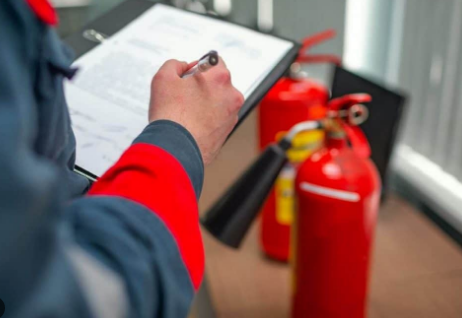
Fire Watch Guards conduct regular inspections to ensure that emergency exits are clear, fire extinguishers are accessible, and safety equipment is functional. They monitor high-risk areas, such as zones with electrical equipment or flammable materials, and report any deviations from established fire safety practices. Studies indicate that sites with dedicated fire watch personnel have up to 50–60% fewer fire-related incidents, showing the effectiveness of proactive oversight.

3. Do Fire Watch Guards work only during operational hours?
No. Fire risks are present 24/7, including nights, weekends, and off-peak hours when buildings may be less occupied. Fire Watch Guards often operate in shifts to provide continuous coverage, ensuring fire safety protocols are followed at all times. Research suggests that approximately one-third of fire incidents occur outside standard working hours, making round-the-clock monitoring critical.

4. How do Fire Watch Guards assist in emergency situations?
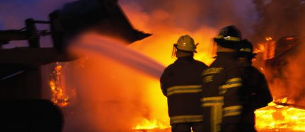
When a fire or smoke is detected, Fire Watch Guards immediately trigger alarms, notify emergency teams, and guide occupants to safety. Rapid intervention is crucial; data shows that early action within the first few minutes of a fire can reduce property damage by nearly 50%. By acting swiftly, Fire Watch Guards not only protect lives but also help ensure that safety protocols are correctly implemented during emergencies.

5. What type of training do Fire Watch Guards undergo?
Fire Watch Guards receive extensive training in fire detection, emergency response, first aid, and the use of firefighting equipment. They are also educated on the specific fire risks of the sites they monitor, enabling them to identify hazards and respond effectively. This comprehensive preparation allows them to maintain compliance with fire safety measures consistently.

6. Can Fire Watch Guards replace fire safety systems?
While technology such as alarms, sprinklers, and detectors is essential, human oversight remains irreplaceable. Fire Watch Guards complement these systems by monitoring conditions in real-time, identifying subtle risks, and taking immediate action. The combination of human vigilance and technological support creates a robust fire safety framework, ensuring compliance with safety protocols.

7. Are Fire Watch Guards cost-effective for organizations?
Yes. Fire-related incidents can lead to substantial property damage, operational downtime, and financial loss. Employing Fire Watch Guards helps organizations prevent these risks and maintain safe work environments. Facilities with proactive fire monitoring are more likely to adhere to fire safety standards and avoid costly incidents.

8. In what types of workplaces are Fire Watch Guards most beneficial?
Fire Watch Guards are valuable in industrial sites, commercial buildings, construction zones, and event venues. Any location with flammable materials, heavy machinery, or high occupancy benefits from continuous monitoring to ensure fire safety practices are followed and compliance is maintained.

Conclusion:
Fire Watch Guards play a pivotal role in enhancing compliance with fire safety codes. Through constant monitoring, early hazard detection, and swift emergency response, they ensure that workplaces adhere to safety standards while protecting lives and property. Their presence strengthens safety culture and creates a more secure environment for employees and visitors alike.