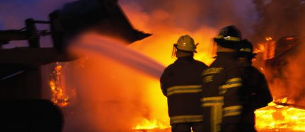
Industrial and commercial sites face unique fire risks due to heavy machinery, flammable materials, and high occupancy levels. In this environment, hiring top Fire Watch Guards for industrial and commercial sites is not just a precaution—it is often a regulatory requirement. According to recent safety reports, workplaces with dedicated fire watch personnel report up to 40% fewer fire-related incidents compared to those without.
What Are Fire Watch Guards?
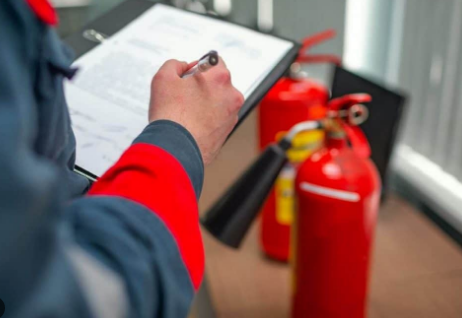
Fire watch guards are trained professionals responsible for monitoring sites for fire hazards, particularly during high-risk activities like welding, cutting, or working with flammable chemicals. Their duties go beyond simple observation—they conduct regular safety checks, ensure fire suppression equipment is functional, and respond immediately to any signs of fire.
Why Are Fire Watch Guards Crucial for Industrial Sites?
Industrial facilities, such as manufacturing plants or chemical storage units, often involve complex operations with elevated fire risks. Data from the National Fire Protection Association (NFPA) shows that fires in industrial environments lead to millions in damages annually, with a significant portion occurring during non-operational hours or maintenance activities. Fire watch guards act as a critical line of defense, reducing both property loss and the risk of injury.
How Do Fire Watch Guards Operate in Commercial Settings?
In commercial sites like shopping complexes, office buildings, or event venues, fire watch guards play a proactive role in preventing emergencies. Their responsibilities include monitoring evacuation routes, ensuring compliance with fire codes, and coordinating with local fire departments. Statistics indicate that commercial sites with dedicated fire watch personnel experience up to 30% faster emergency response times during fire incidents.
Key Qualities to Look for in Fire Watch Guards
When selecting top fire watch guards, several factors determine their effectiveness:
Certification and Training: Guards should be certified in fire safety protocols and emergency response.
Experience with Industrial Hazards: Understanding site-specific risks like chemical fires or electrical hazards is crucial.
Vigilance and Reliability: Regular patrols and constant attention are non-negotiable traits.
Communication Skills: Effective coordination with on-site personnel and emergency services enhances overall safety.
How Often Should Fire Watch Guards Be Deployed?
Deployment frequency depends on the level of risk. High-risk operations, such as welding or hot work, may require round-the-clock fire watch coverage. Lower-risk scenarios might only require temporary monitoring. Recent industry surveys suggest that sites with continuous monitoring by trained fire watch guards report 50% fewer safety violations during inspections.
What Are the Benefits of Hiring Top Fire Watch Guards?
Reduced Risk of Fire Damage: Immediate detection and intervention can prevent minor incidents from escalating.
Compliance with Regulations: Many industrial and commercial sites are legally obligated to maintain fire watch personnel.
Enhanced Employee Safety: Workers feel more secure, which improves overall productivity.
Insurance Advantages: Sites with professional fire watch guards often enjoy lower insurance premiums due to reduced risk exposure.
Conclusion
Selecting top fire watch guards for industrial and commercial sites is a strategic investment in safety, compliance, and operational continuity. With trained professionals on-site, businesses can mitigate fire hazards, protect assets, and ensure a safer working environment. As fire risks evolve with industrial and commercial growth, proactive monitoring remains one of the most reliable methods to prevent catastrophic losses.